
This post was automatically translated from the Turkish original.
Digital Transformation for Hotels: The Role of QR Menu Systems
The tourism industry today is characterized by intense competition. Simply having a good location or establishing a beautiful facility is no longer sufficient; the ability to engage customers through a digital experience is also a critical factor. In particular, modern solutions are replacing traditional menu systems for hotels, restaurants, and accommodation facilities. In this context, the QR code menu system has evolved from simply being a means of taking orders to becoming a strategic tool that showcases the hotel's digital presence and enhances customer satisfaction. As hotel operators, we need to effectively utilize this technology to meet the expectations of our customers.
The services offered by a hotel range from dining options to in-room service. Customers, especially during meal times or when requesting room service, prefer a quick and visual solution rather than looking at a physical menu. The QR menu system perfectly addresses this need, providing customers with fast, up-to-date, and appealing information. This transformation not only speeds up the ordering process, but also increases operational efficiency.
As a hotel business, when setting up this system, we need to consider not just acquiring a technical tool, but also your marketing and customer relationship strategies. For example, we can keep customers engaged by instantly publishing special discounts, current promotions, or seasonal menu changes on the menu. These structural changes are the first step in strengthening your hotel's digital presence.
Technical Infrastructure with Speed, Mobile Compatibility, and Core Web Vitals
The success of a qr menu system is primarily determined by how well the software functions, rather than simply by the quality of the software itself. One of the biggest challenges for hotels in terms of customer experience is technological glitches: slow-loading menus, unstable ordering interfaces, or pages that don't display correctly on mobile devices directly negatively impact customer satisfaction. Therefore, when implementing these systems, we must focus on speed and core web vitals (key web metrics).
Core Web Vitals are critical metrics that measure the user experience of a website. The faster your hotel's menu loads, the quicker customers are expected to make decisions and place orders. High performance directly impacts conversion rates. If your menu doesn't function properly on mobile devices, this means you're losing potential customers. Therefore, it is essential that the infrastructure we use is mobile-friendly (responsive). For example, a customer should be able to enjoy a seamless experience, even while sitting in a hotel room.
When making technical infrastructure decisions, we must pay attention not only to aesthetics, but also to the underlying robustness. Security and backup mechanisms should also be considered at this stage, as the security of customer data and the uninterrupted operation of the system are essential for maintaining the reputation of your business. It can be beneficial to obtain detailed technical requirements and expert support for such infrastructure decisions.
Strategies for Visibility in Local SEO and AI Searches
The hotel industry is one where location is the most important factor. Therefore, simply having a beautiful website is not enough; we need to ensure that potential guests can easily find us. Local SEO These strategies ensure that our hotels appear in the top positions of Google Maps results and relevant local searches. When customers make specific searches such as "Alanya hotel menu" or "Antalya restaurant recommendations," our system should be able to respond to these queries.
At this point, the development of next-generation search engines comes into play. Artificial intelligence-powered search optimization (GEO) is no longer just about filling in keywords; it involves understanding how well these systems can identify and understand the services your hotel offers in a clear and specific manner. For example, when an LLM (Large Language Model) is evaluating your hotel, the more organized and detailed information you provide about your menu, special room packages, and services, the higher its visibility will be.
To enhance visibility, it is crucial to regularly manage your Google My Business profile and promptly respond to customer reviews. Furthermore, consistently showcasing the unique experiences your hotel offers across these digital channels is essential for successful local SEO and ranking in AI-powered searches. During this process, with the support of digital marketing and advertising management experts, you can effectively utilize your advertising budget.
Social Media Integration and Conversion Tracking
A digital menu system not only facilitates order taking; it also has the potential to create engagement on social media and build customer loyalty. Customers are likely to share this experience on social media before or after ordering a meal. To manage this process effectively, creating a social media content calendar is crucial. Specific dishes or images that highlight a restaurant's unique offerings or the hotel's atmosphere can increase engagement on platforms like Instagram.
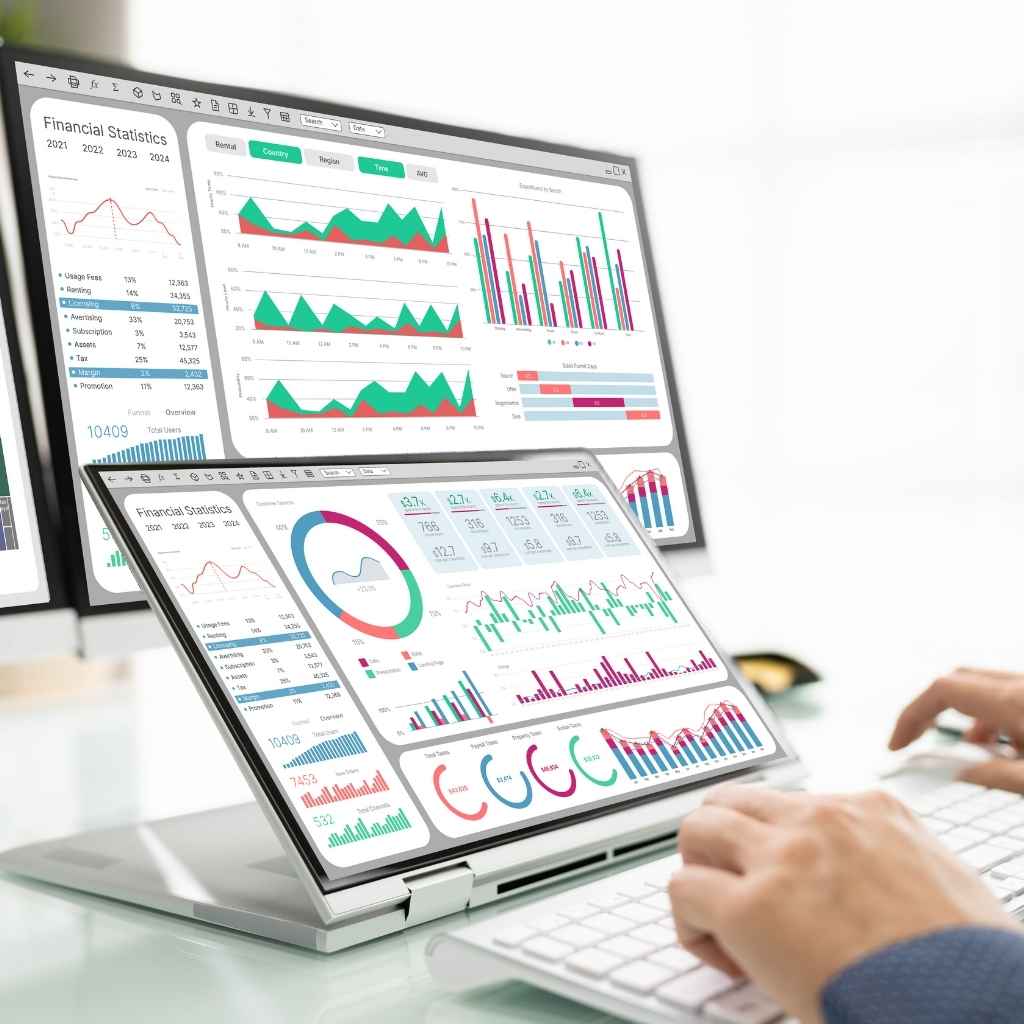
At a more advanced level, we can use this system to track conversions. By analyzing which menu items are most popular and when there is the highest demand, you can dynamically adjust your presentation strategy. This data allows you to direct your advertising budget more effectively. For example, by focusing on promoting the most popular dishes, you can provide your target audience with more relevant content. These analyses become more than just using a menu; they transform into a decision-making mechanism that shapes your business's commercial strategy.
When developing custom software for hotels, such integrations (data exchange with different systems) should be planned. For example, synchronizing the data in your reservation system with the menu system allows you to offer personalized offers. When these complex software integrations are managed with a proper hotel software development strategy, they create a smooth customer journey instead of operational complexity.
Conclusion: Strategic Approach and Continuous Improvement
In summary, the QR menu system for hotels is not just a technological innovation, but also a comprehensive digital strategy aimed at improving customer access. Successful implementation requires a robust technical infrastructure (speed, mobile compatibility), accurate local visibility (SEO and GEO), and social media integration that strengthens customer relationships. It is important to remember that these systems are not static; they should be continuously optimized through data analysis and feedback. When planning this transformation for your hotel business, it is crucial to consider not only current needs but also future digital expectations. This will give you a competitive advantage over your rivals. For a more in-depth digital strategy and customized software solutions, you can get information about Fast software development solutions in Alanya.
Let's begin!
Contact us to discuss your business's digital needs. Our expert team of IT services in Alanya will design the most suitable solution for you.
Get a Quote